In 2025 I undertook a year-long residency in the art programme VHDG Lokaal. Under the title Hyndertiid (Frisian for ‘horse time’), my research centered on the role of the Frisian horse in the wider context of the horse-human relationship from its beginnings. The project unfolded through artistic research, a public programme, and a closing exhibition in the fall of 2025. The VHDG Lokaal approach focuses on artists, duos, and collectives collaborating closely with local communities. By emphasizing embedded practices, VHDG aims to nurture process-oriented projects over a longer timeframe.
I started out focusing on the role of the Frisian horse in the socio-cultural imaginary of Fryslân. What does this breed represent to locals, and what attracts them to this four legged being? Where are horse communities based, who belongs to them, and who is excluded? How do they organize themselves and does ‘mienskip’ (a local term for the commons ) play a role in their day-to-day activities? Taking a wider view, how do myths, scientific data, and stories around the (Frisian) horse influence the popular and political imagination of the region today? And which kinds of futures can be envisioned together, that integrate learnings from how horses deal with (presence and) time?
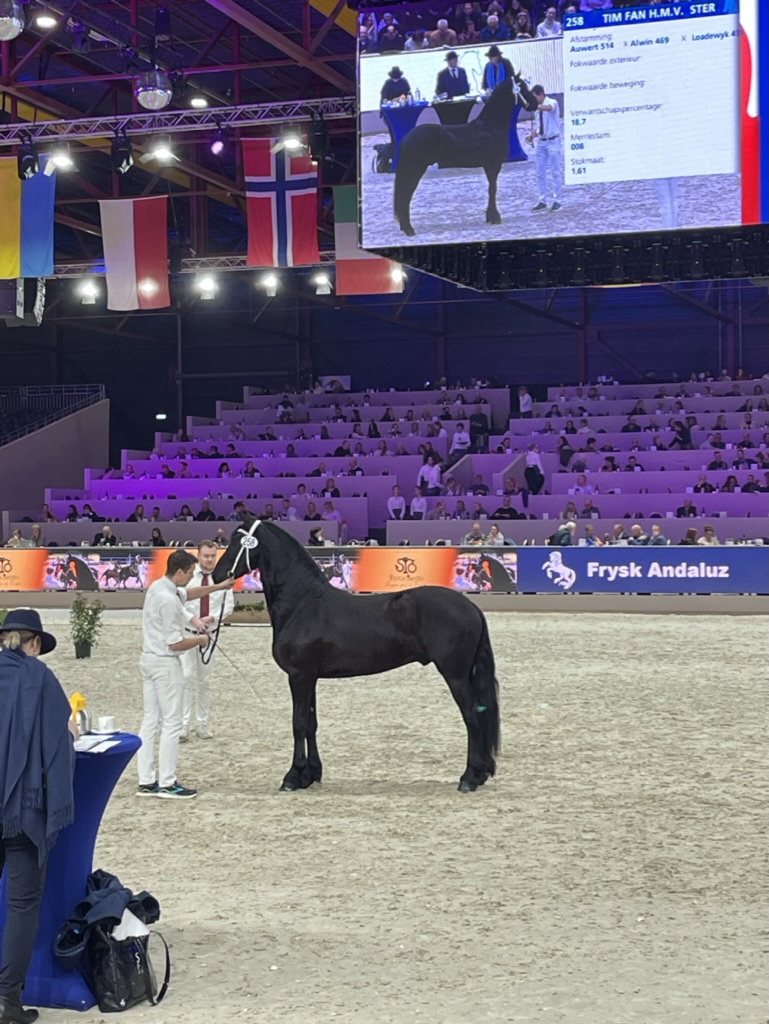
I traced the contours of the Frisian horse world by attending the popular, yearly Hengstenkeuring (stallion show) and related clinics on the health challenges and aesthetic stakes of breeding with a closed studbook; by collecting the testimonial of private horse owners and getting in touch with a mare and stallion breeder, a birth supervisor, an inspector, a sport physiologist, a co-founder of the Frisian horse calendar, an equestrian law specialist, Eponaquest colleague Judith van Heerde (Keerpunt coach), who made a horse drum with the guidance of a shaman, and archeozoologists focusing on early Frisian animal mythology and death rituals.
My research positions itself in the margins of the spectacle, as ‘slow cultural work’ (AnnaLee Davis), inviting introspection and shared reflection with dedicated publics. Parallel to the above fieldwork, I co-facilitated horse-facilitated learning sessions with a women’s group, and a group of young cultural workers.
Within the context of my ongoing nomadic open air program School of Verticality (2018 –), I adopted the lens of verticality, understood as a vector of depth and presence – against the modern assumption of verticality as an axis of power and hierarchy: verticality as both being present to, and making present what is alive, here and now.
Learning from The Art of Rewilding, I processed what emerges during the fieldwork through somatic grounding practices, such as creating drawings of “inner images” — impressions left in my body and mind by encounters and conversations.
Credits
Top slider: Hyndertiid Learning session “Meet the herd”, Sophie Krier w/ Judith van Heerde (Keerpunt Coach), Hartwerd, 2025. Photos Afrida Adema.
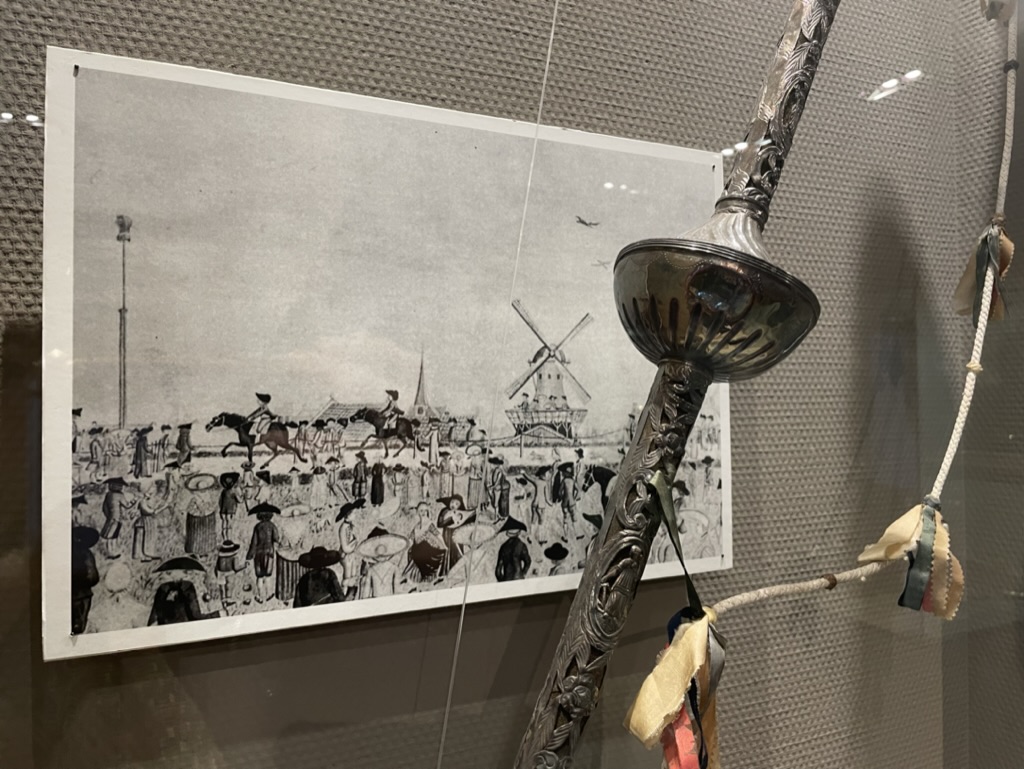
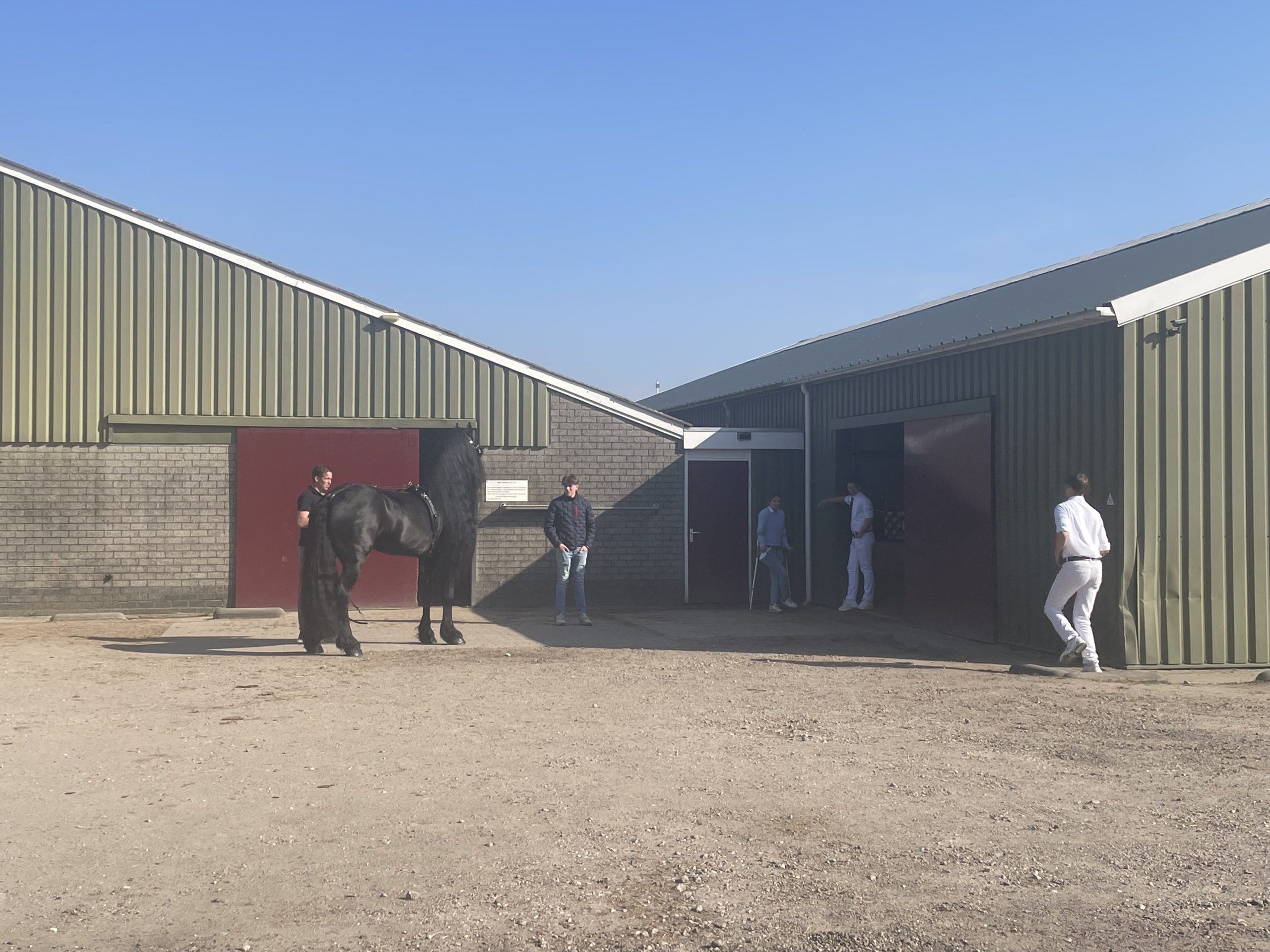
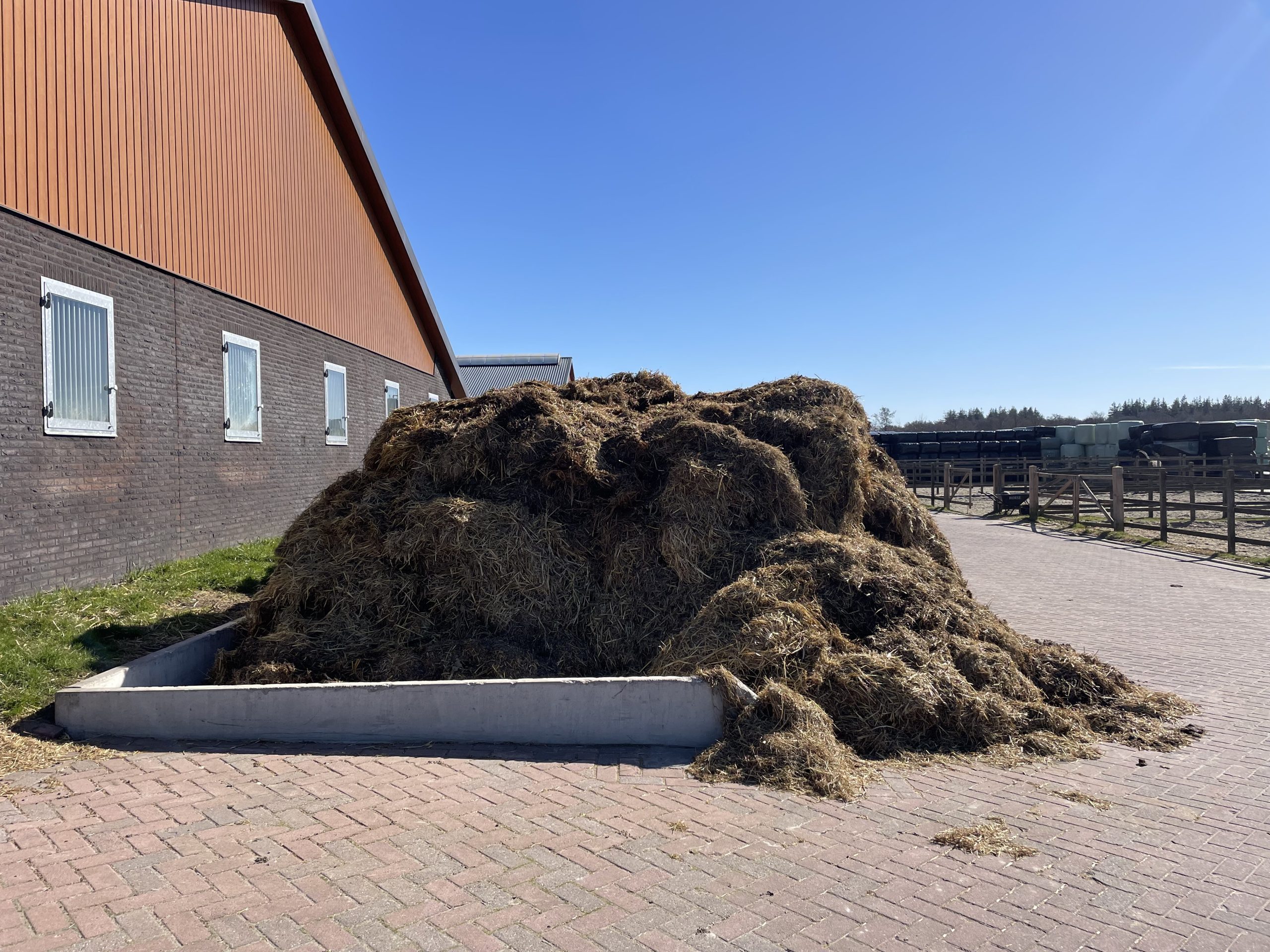
Middle slider: Silver Whip, Arend Wiltjes Nauta (among others), 1822, Museum Heerenveen; drawing of a hard trotting, Arend Wiltjes Nauta, early 19th century (Fries Museum loan); backstage at the PSV De Oorsprong stallion show, St Nicolaasga; horse training carousel and dunghill, Stal de Merksen; Wall of Fame in Charlotte and Dany van Zijl’s barn.
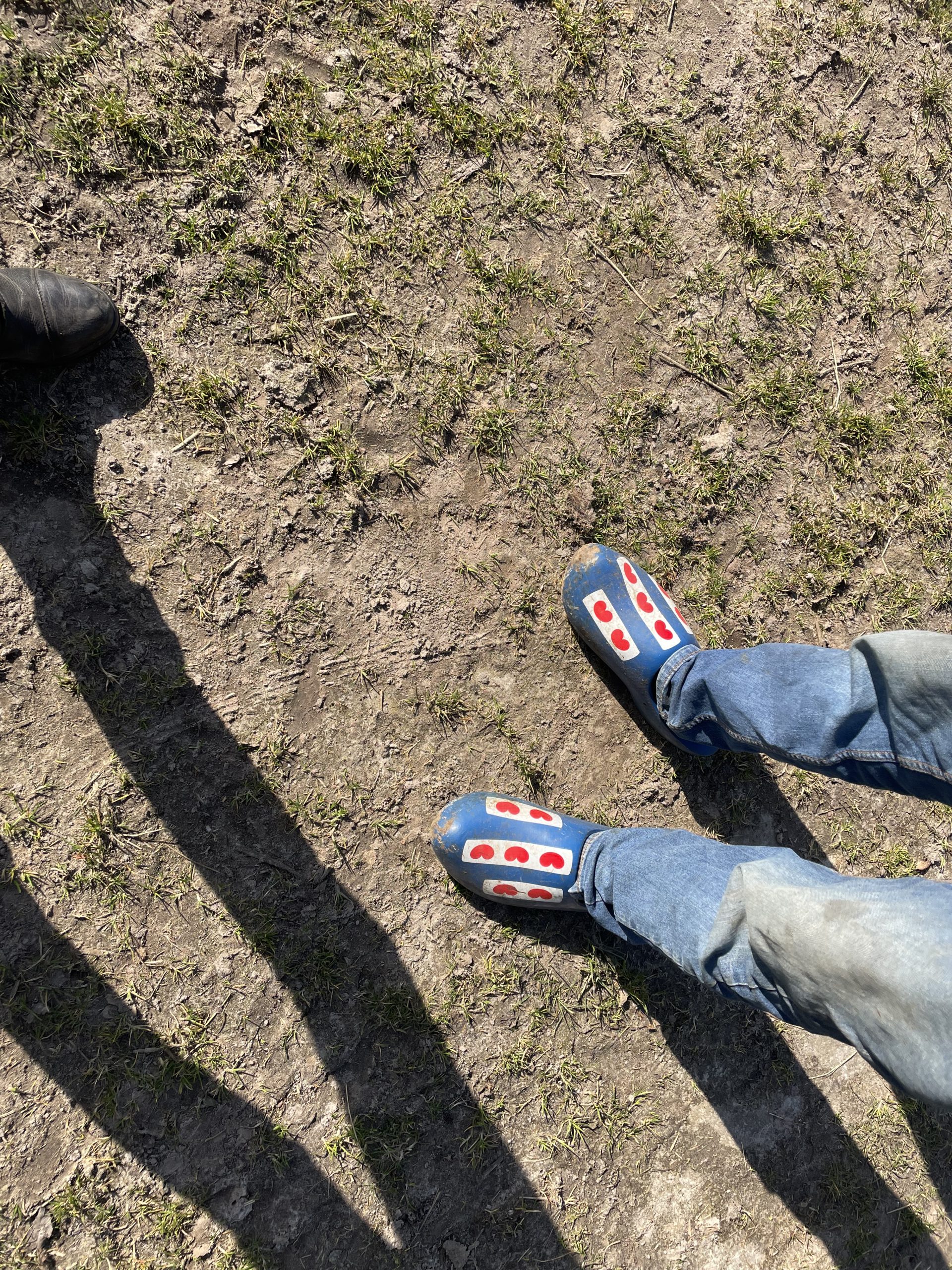
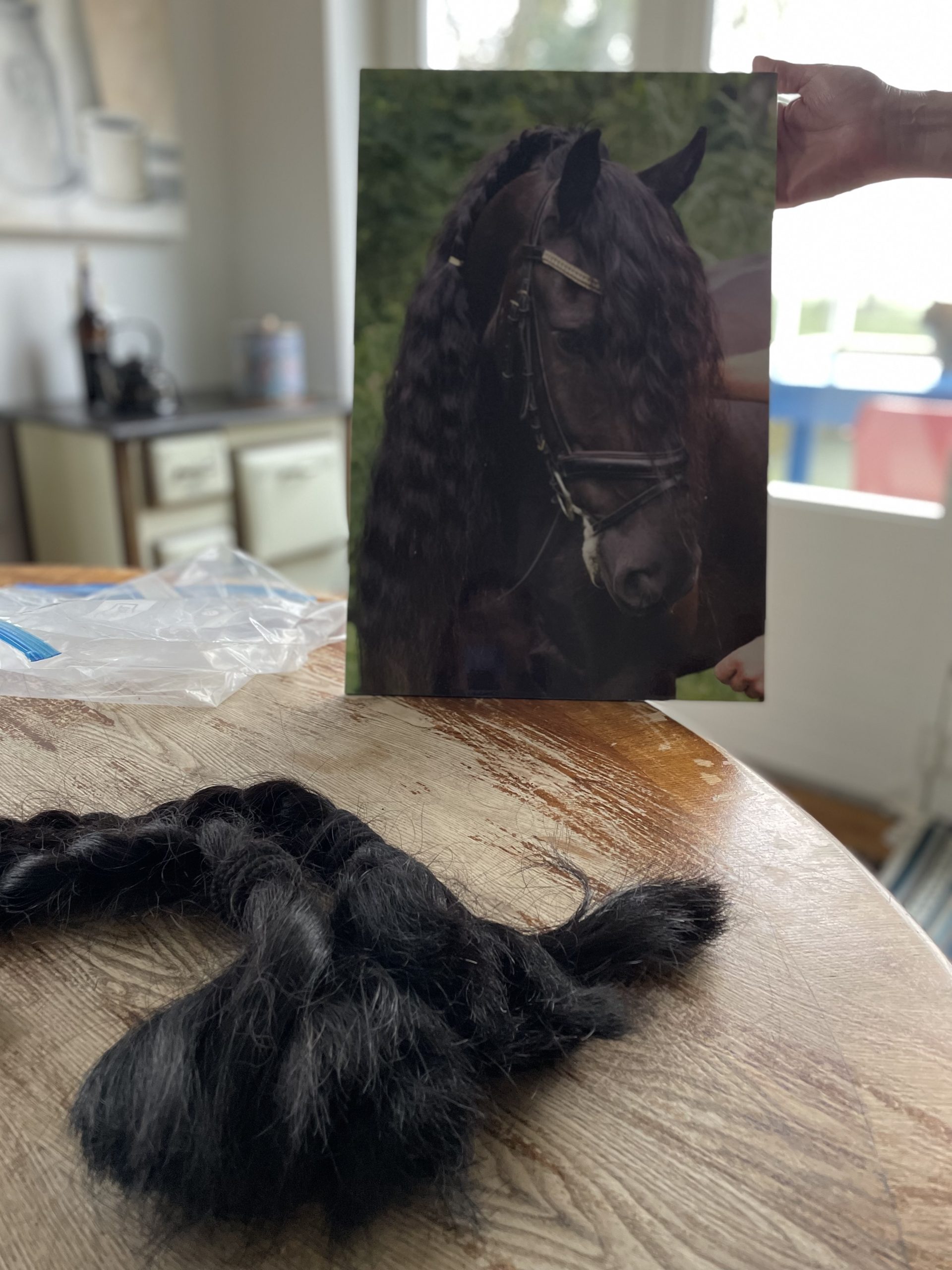
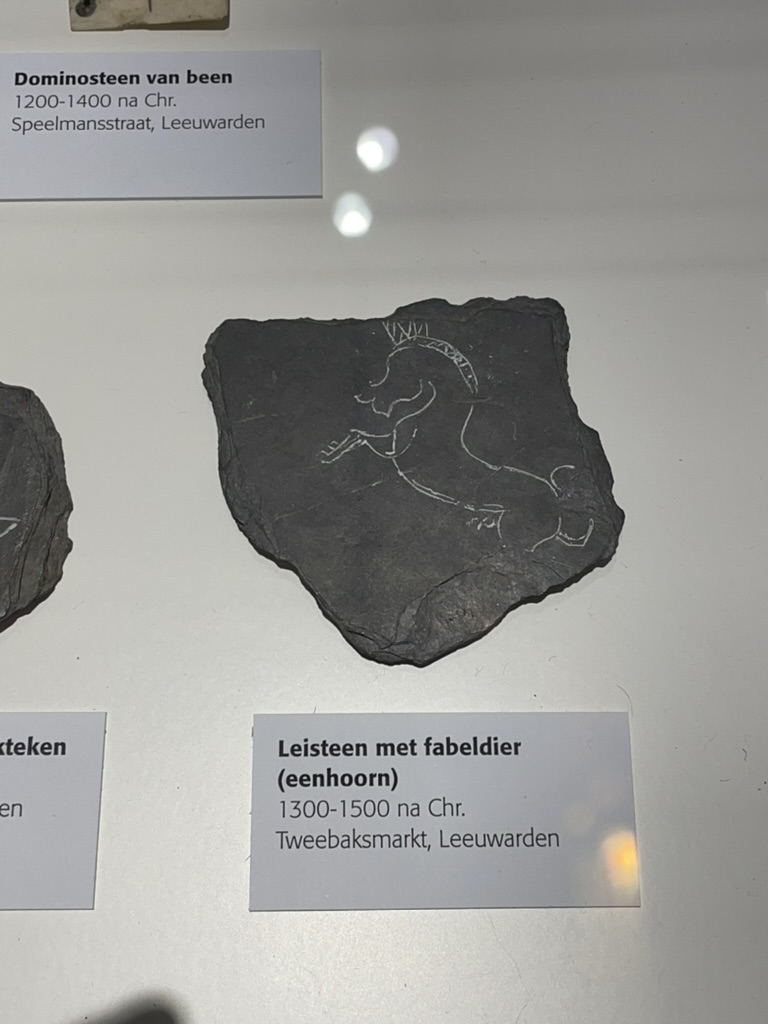
Bottom slider: Fries Landbouwmuseum, De Wereld van het Friese Paard (exhibition build up); breeding station at Stal de Merksen; KFPS Hengstenkeuring (stallion studbook selection) 2025; Hans de Ruiter’s Frisian clogs; King with horse-drawn sleigh in the snow; Sabien Zwaga’s decorated front door; Memento of Lieuwe fan it Skarsicht photographed at Charlotte and Danny van Zijl’s home in Scharsterbrug; Frisian fable animal (unicorn), Historisch Centrum Leeuwarden; Egge Knol, Wietske Prummel, Anne Nieuwhof & Hans van der Plicht, ” Een oude merrie uit een Friese terp” (An old mare from a Frisian mound) in: Paleo-Aktueel, RUG/GIA, 2014, pp 49-56; illustration of Odin riding Sleipnir from an 18th-century Icelandic manuscript (wikimedia commons);